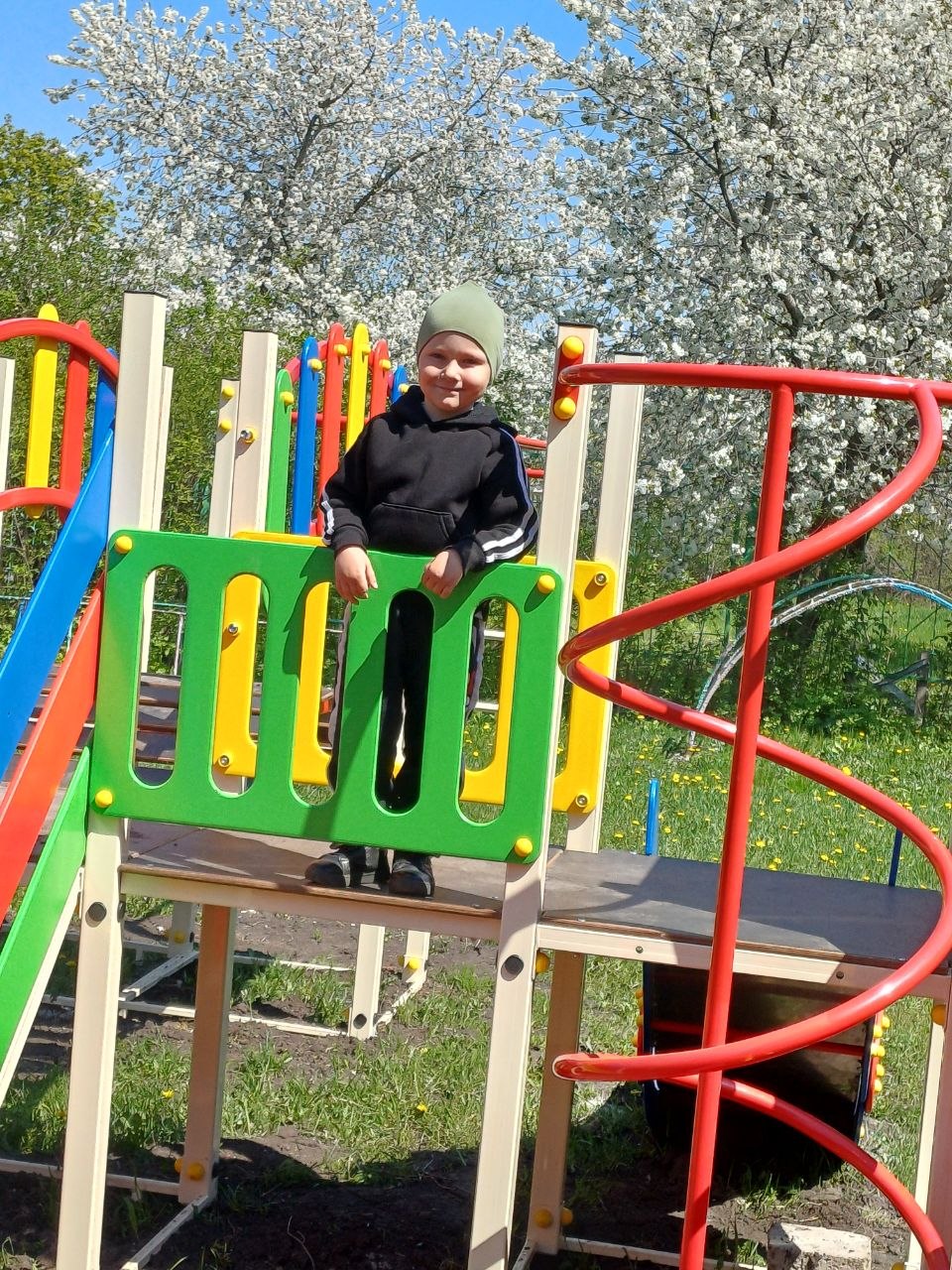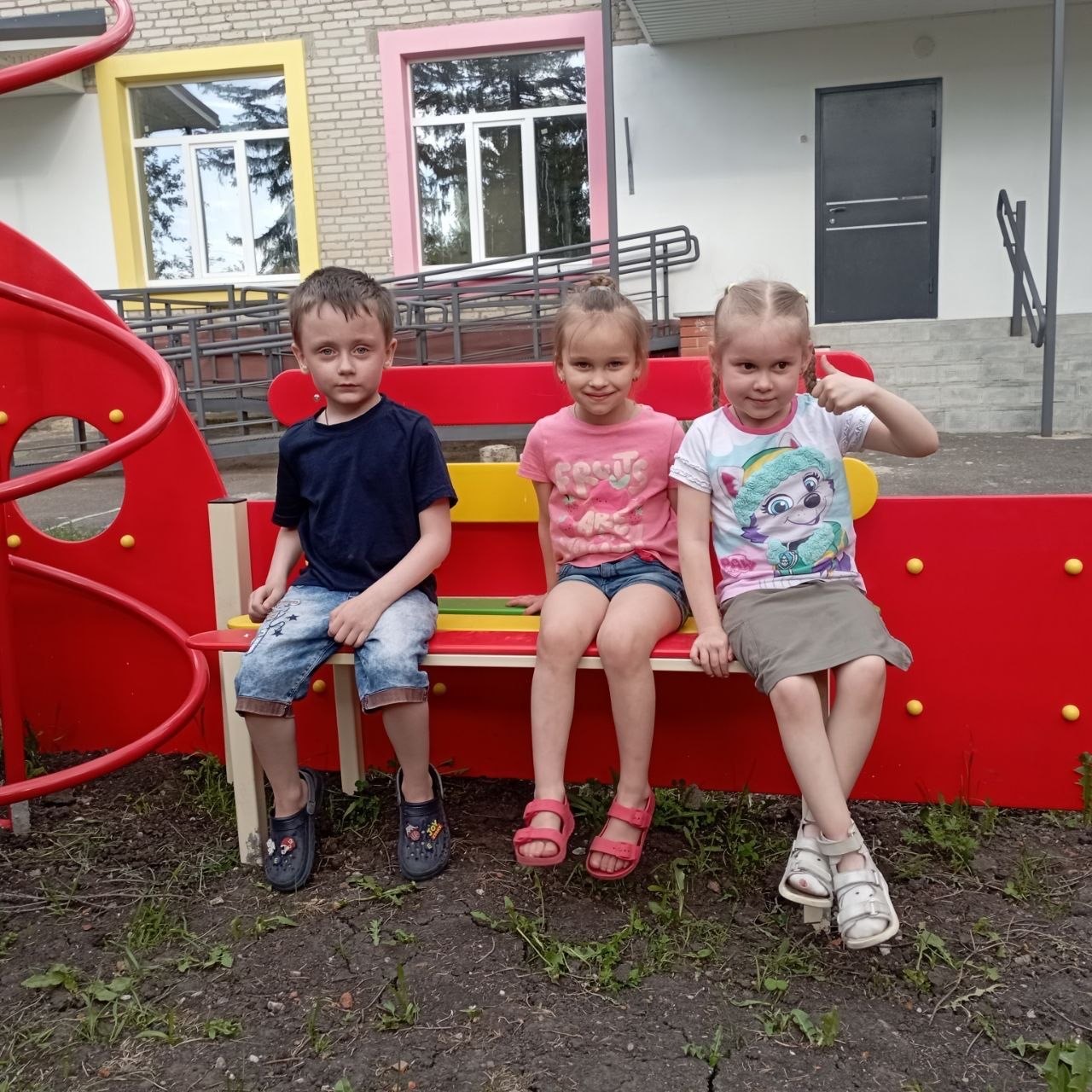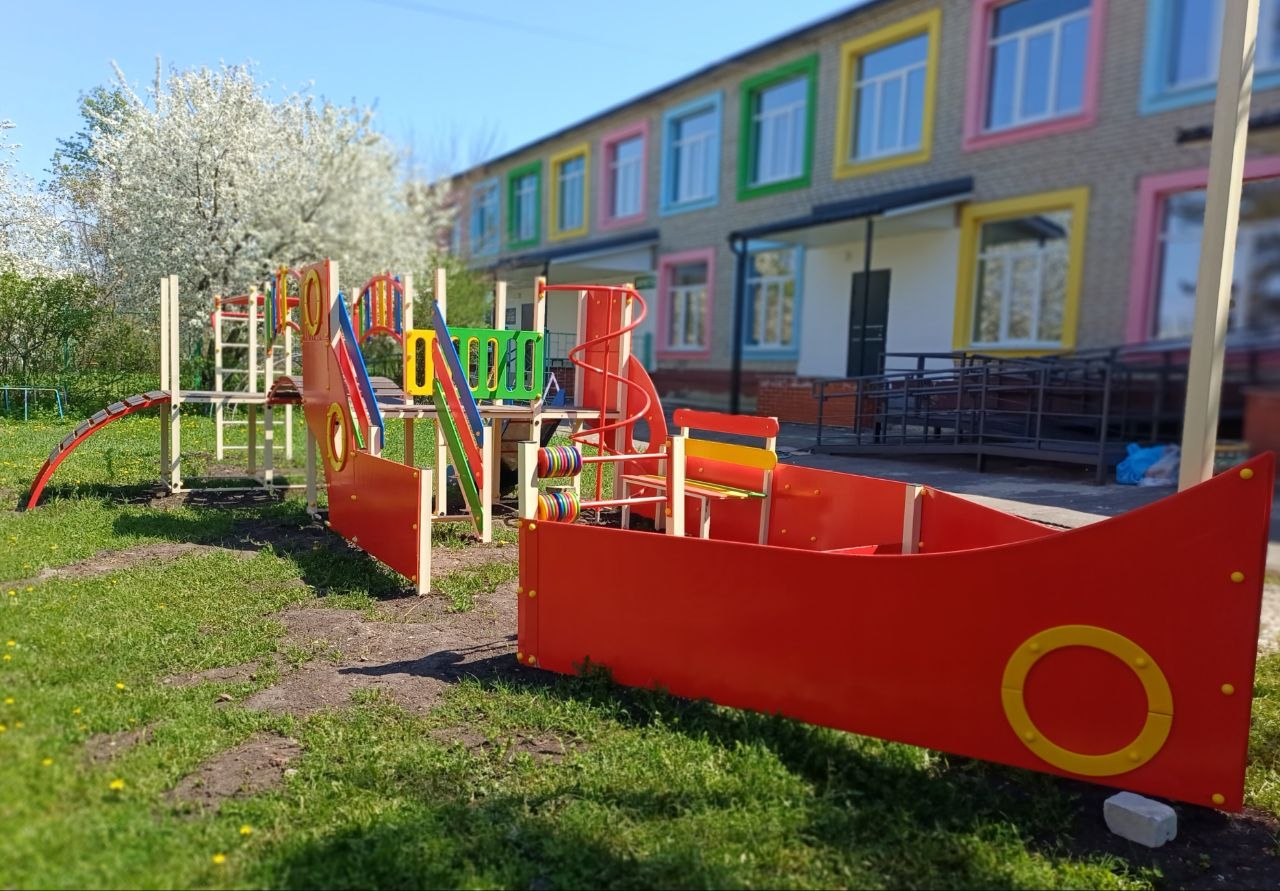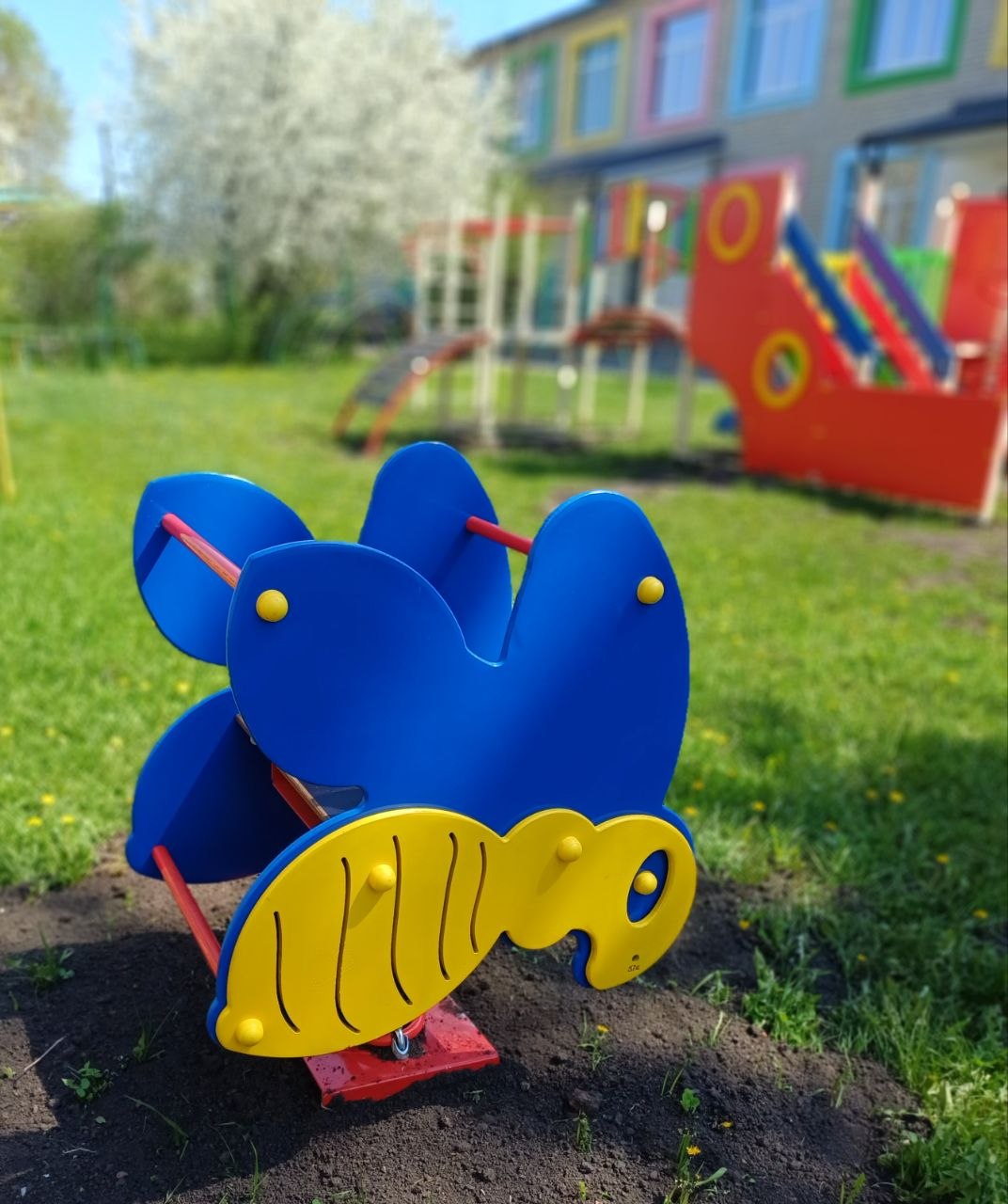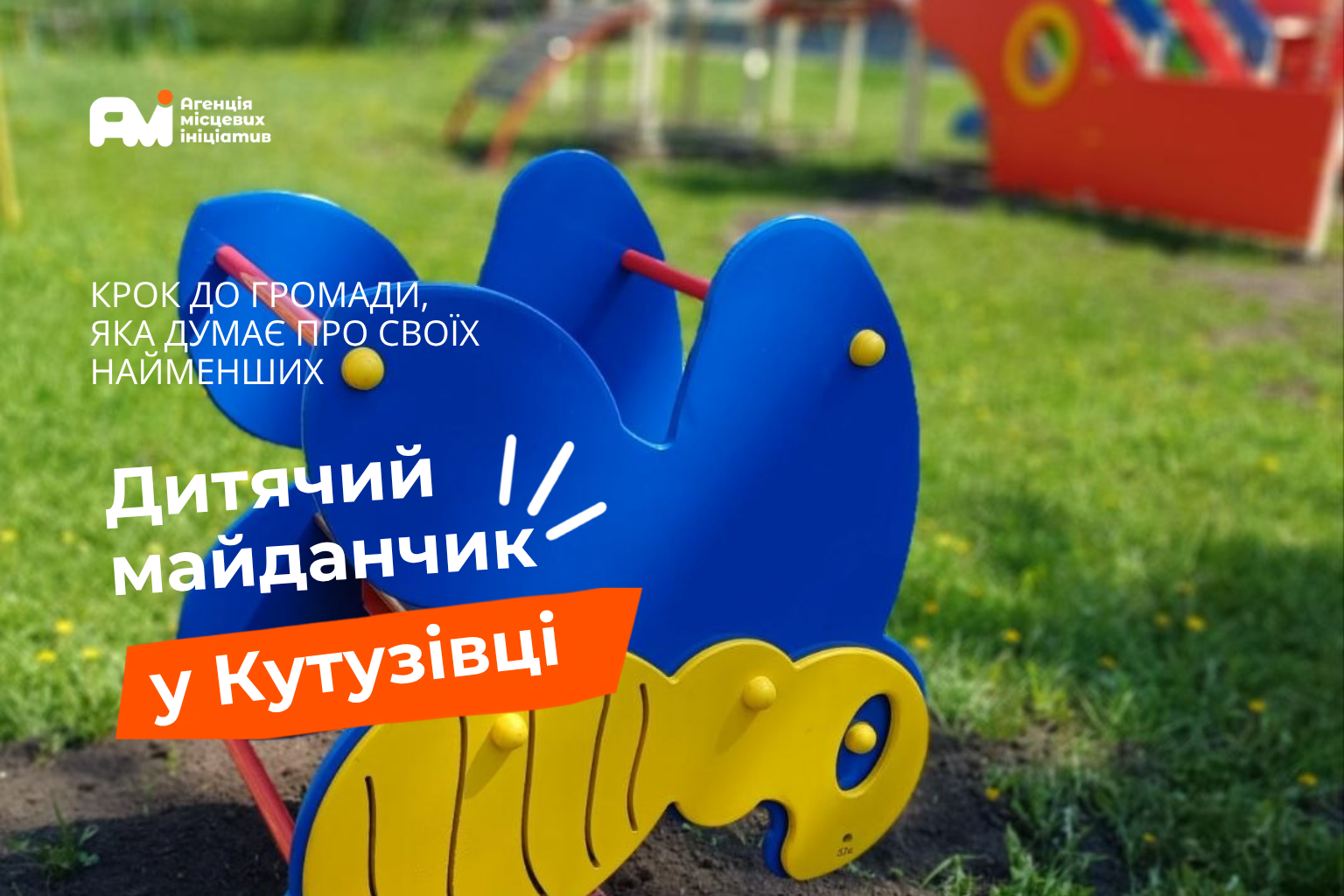
Kutuzivka, five kilometres east of Kharkiv, is described by the head of Vilkhivka Military Administration as the community’s village most damaged by shelling. Every house was affected. Russian military columns passed through in February 2022. A year after liberation, people were still living in the local clinic’s basement. In this context, preschool parents decided to create a playground.
1. How it began
The “Kutuzivka Parents for Children” group met parents and educators to identify needs and a safe location. They jointly selected equipment suited to children’s ages and the available area. Proximity to a shelter was crucial.
AMI handled procurement and documentation. Previous supplier experience shortened approvals, while technical specifications and quotations were prepared in parallel.
2. Results
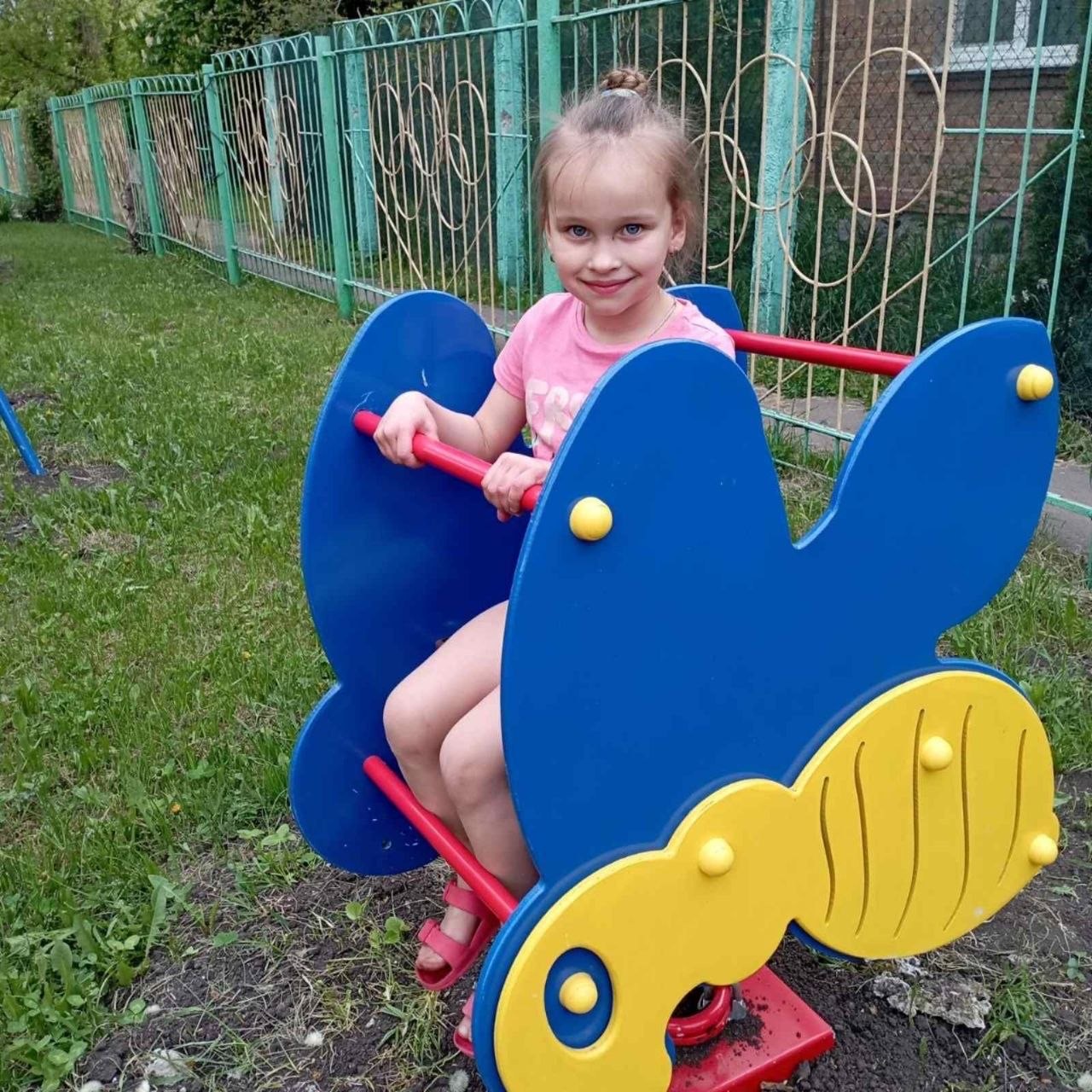
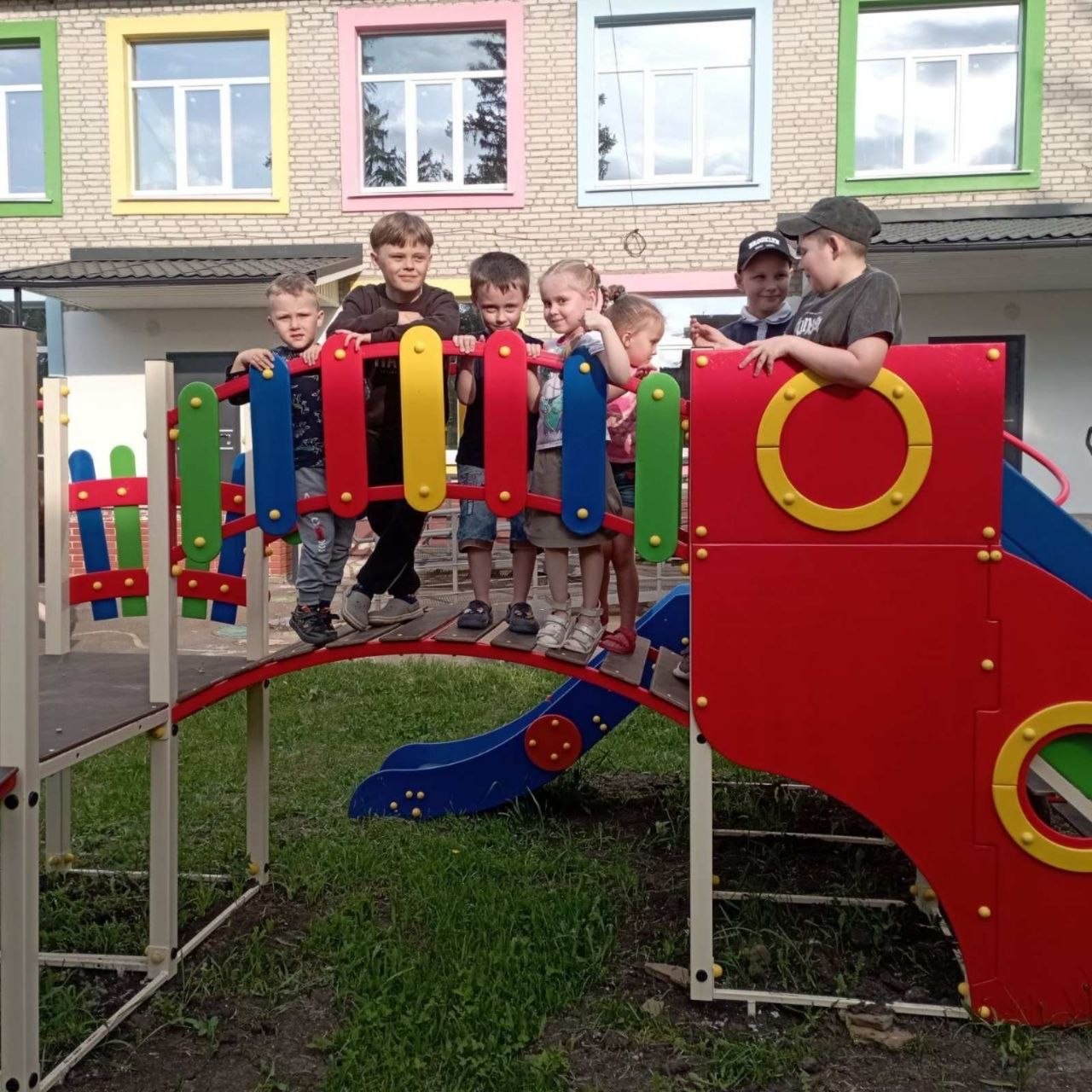
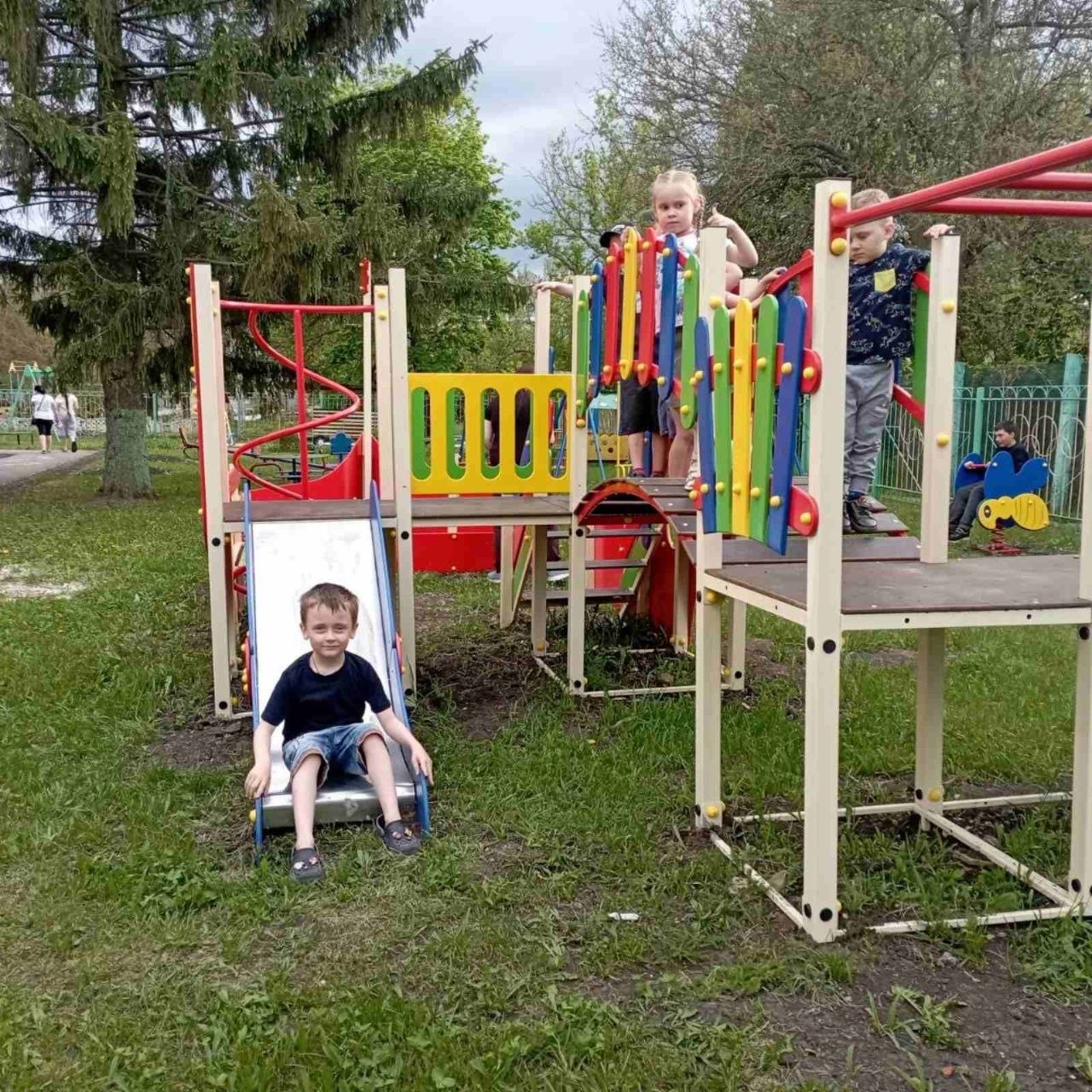
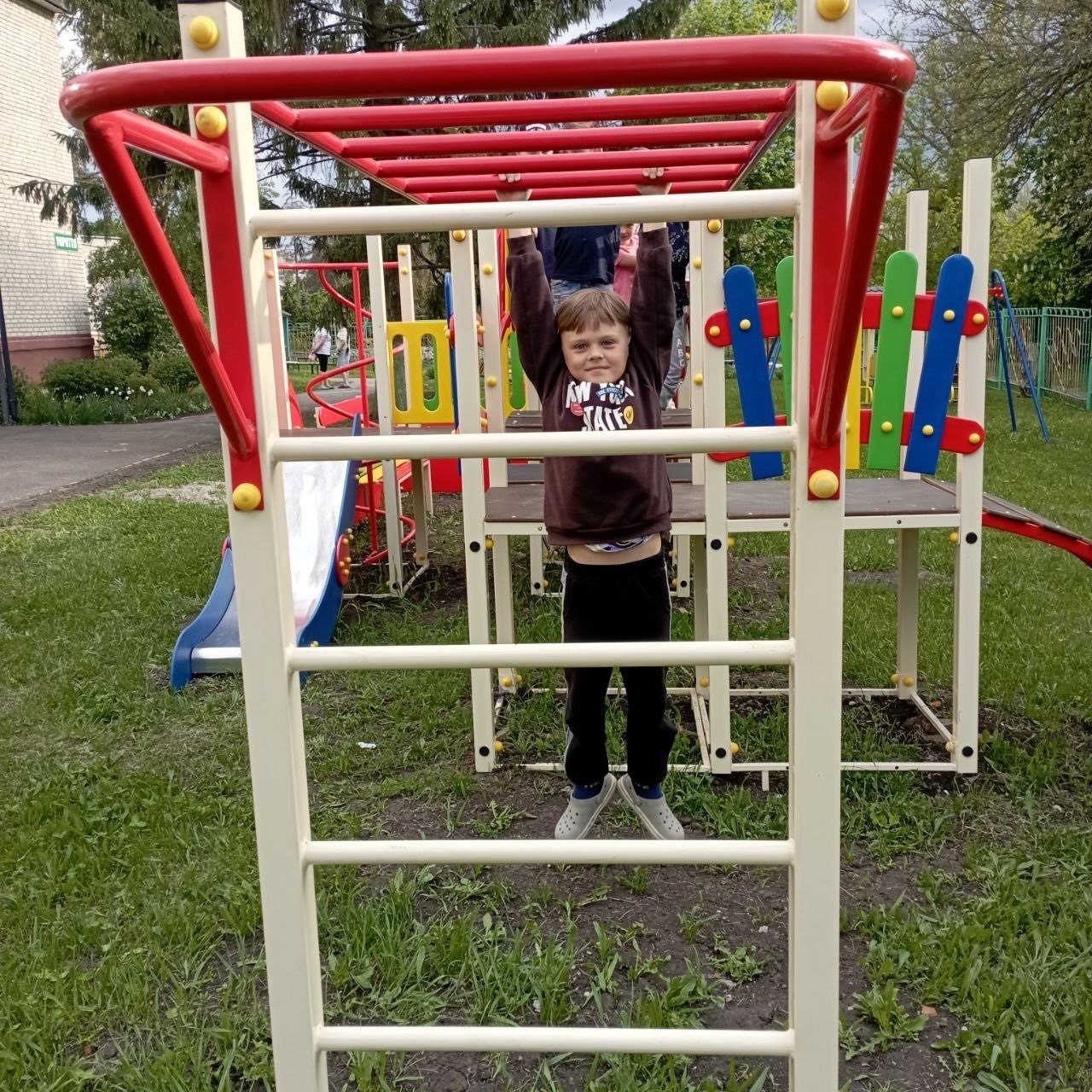
A complete playground suited to the preschool’s needs was purchased, delivered and transferred to community ownership. Winter snowfall postponed installation until conditions improved.
The project will directly benefit 190 people from 116 families and indirectly benefit 349 residents.
3. Challenges and achievements
There were no financial deviations or staffing difficulties. Running approvals and procurement preparation in parallel shortened delivery time.
The group’s lesson for future work was to involve more parents in discussions from the outset.
4. Community impact
The preschool had already worked with AMI in summer 2025 to equip its shelter with sleeping places, interactive equipment and play areas.
The playground extends that work outdoors, beside the familiar place where children go for safety.
5. The project’s legacy
The community committed to installing and maintaining the playground after the project ends.
The preschool will offer a complete environment for children indoors and outdoors.
6. Who makes change happen
The project was implemented by the Local Initiatives Agency at residents’ initiative and with local authority support. Mini-grants are part of “Strengthening Community Resilience through the Community-Led Initiatives Support Approach”, financed by the Swiss humanitarian organisation HEKS/EPER and coordinated with the Alliance for Public Health.